
Are you missing some of your natural teeth? It can affect your smile, facial structure, bite, speech, and confidence, not to mention the potential impact on your oral health. Dentures can help you fix such concerns. The prosthetics can replace the missing teeth, and since they are custom-made for your mouth, restore your smile. Dr. Jeffrey Busch can help you pick the right dentures made from materials that can serve you for years following your situation.
The best dentures are made from tough materials that withstand the biting and chewing pressure. Nonetheless, like the rest of your teeth, they require proper care to keep them in good shape for an extended period. Among the denture care tips to help you improve your care routine includes:
- The don’ts
You should avoid certain concerns, including:
- Exposing the dentures to hot/boiling water: This could warp them
- Using bleach-containing products: This can weaken the dentures and affect their color
- Strong products, including cleansers, toothpaste, or hard-bristled toothbrushes since they are abrasive and can damage the dentures
- Whitening toothpaste: They are hardly effective in changing denture color yet can be corrosive.
- Hygiene
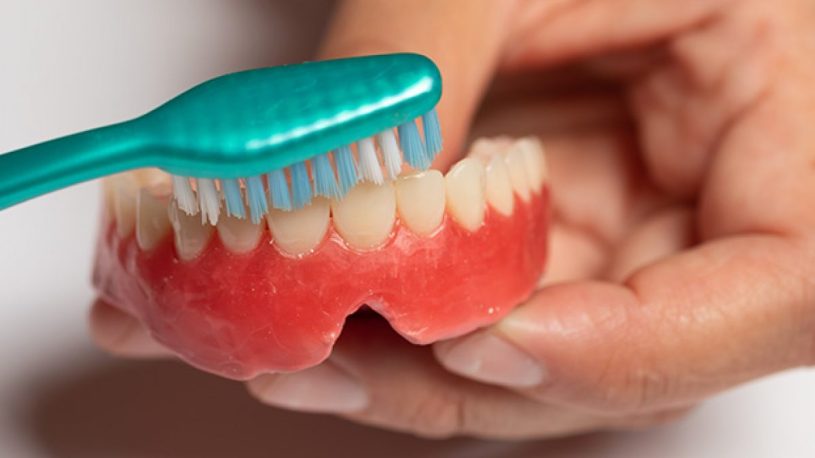
Removing the dentures after a meal and rinsing them is among the simplest hygiene measures. Nonetheless, brushing your dentures at least once a day is vital. Remove them and gently clean with a soft-bristled toothbrush and non-abrasive denture cleanser. This ensures you remove plaque, food, and other deposits that can be trapped in the dentures. If you use denture adhesive, don’t forget to clean the grooves. You must also not be tempted to use denture cleansers in your mouth.
Besides the dentures, you should also clean your mouth after removing dentures. Brush the remaining teeth, your cheeks, tongue, and roof of the mouth. This ensures that the dentures are in a clean environment while maintaining good oral hygiene for improved dental health. If you use adhesive, ensure you remove the remaining traces from the gums.
- Keep them moist
If the dentures dry out, they will lose their shape. Don’t leave them lying around as you sleep. Proper storage, either in water or denture-soaking solution, is essential. Consult your dentist to learn the best ways to store your dentures. Also, consider the manufacturer’s guidelines on ideal soaking solutions.
- Handling
When cleaning, don’t bend the dentures. Handle them with care to avoid damaging the plastic or clasps. Also, be careful when handling and adding adhesive. Adding too much does not guarantee a better fit. It would be best to consult your dentist if you have a problem with the fit or adhesive use. The dentist can recommend the ideal adhesive and amount to use. This is important, especially noting that some denture adhesives contain zinc. Overusing such adhesives can lead to significant medical concerns as the zinc amount in your blood increases.
- Routine visits
Routine checks are crucial as you strive to keep your dentures and overall oral health in great shape. You don’t have to wait until a problem such as a loose fit hits to see the dentist. Regular visits for examinations and professional cleaning help keep problems at bay. Your dentist will help you maintain proper fit, avoiding slippage and associated concerns. They also check your overall dental health, ensuring you catch developing issues and top them in their tracks.
Dentures can help turn your smile and oral health around. If you are missing a tooth, don’t let it affect your looks or increase oral health risks. Visit Jeffrey Busch, DDS, learn more about dentures, and start the treatment process.

