
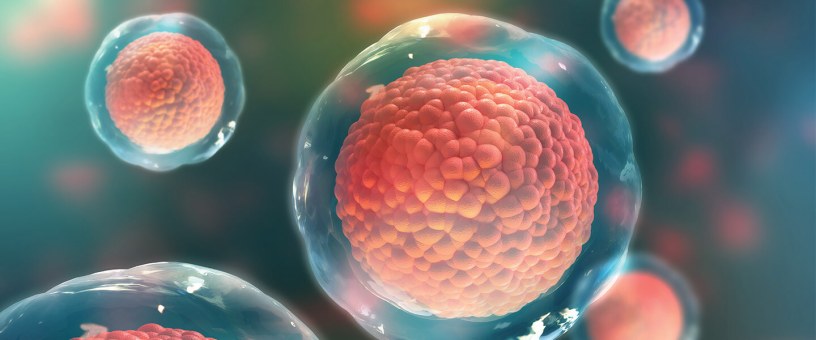
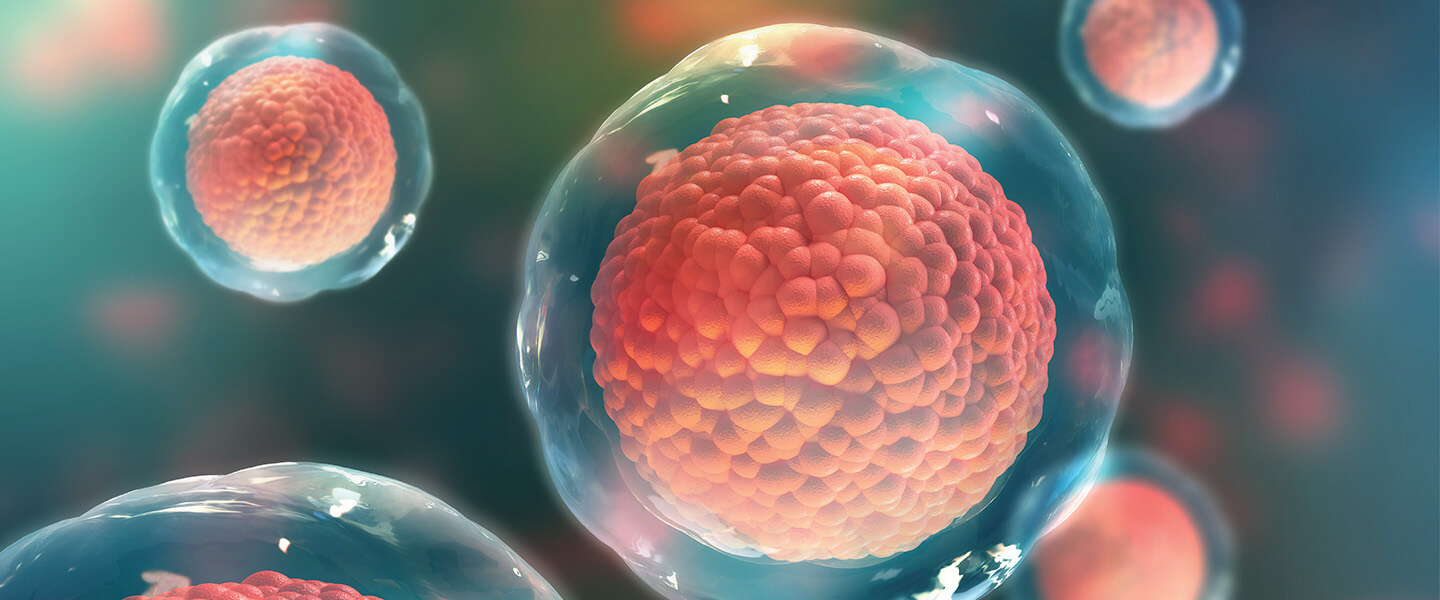
The landscape of regenerative medicine is evolving at breakneck speed, with stem cell research delivering breakthrough after breakthrough that seemed impossible just years ago. From laboratory-grown organs to genetic reprogramming of adult cells, today’s discoveries are laying the foundation for a future where currently incurable diseases become treatable, and the human body’s capacity for self-repair is amplified beyond natural limits.
Programming Cells to Heal: The iPSC Revolution
One of the most significant breakthroughs in recent stem cell research involves induced pluripotent stem cells (iPSCs) – adult cells that have been genetically reprogrammed to behave like embryonic stem cells. This technology, which earned Shinya Yamanaka the Nobel Prize, has evolved from a laboratory curiosity to a clinical reality.
Researchers can now take a simple skin sample from a patient and convert those cells into neurons, heart muscle, or any other cell type needed for treatment. This approach eliminates the risk of immune rejection since the cells come from the patient’s own body, while also avoiding the ethical concerns surrounding embryonic stem cell use.
Recent studies have shown remarkable success using iPSCs to treat Parkinson’s disease. Japanese researchers have successfully transplanted iPSC-derived dopamine neurons into patients, with early results showing improved motor function and no signs of rejection. Similarly, clinical trials are underway using iPSC-derived cells to treat macular degeneration, heart failure, and spinal cord injuries.
Organoids: Growing Replacement Parts
Perhaps the most futuristic development in stem cell research is the creation of organoids – miniature, simplified versions of organs grown in laboratory dishes. These three-dimensional structures, sometimes called “organs-on-a-chip,” are revolutionizing both research and treatment possibilities.
Scientists have successfully created brain organoids that develop neural networks resembling those found in human brains, allowing unprecedented insights into neurological diseases like Alzheimer’s and autism. Heart organoids that beat with regular rhythms are being used to test new cardiac medications and understand congenital heart defects.
More remarkably, researchers are now growing complex organoids that combine multiple tissue types. Recent breakthroughs include liver-kidney organoids that could eventually replace both organs simultaneously, and lung organoids that include blood vessels and immune cells, creating more realistic models for treating respiratory diseases.
The ultimate goal – growing full-sized organs for transplantation – is becoming increasingly achievable. Researchers have successfully grown functional windpipes, bladders, and blood vessels that have been transplanted into patients with remarkable success rates.
Gene Editing Meets Stem Cells
The convergence of CRISPR gene editing technology with stem cell therapy is creating unprecedented treatment possibilities. Scientists can now correct genetic defects in stem cells before using them for therapy, essentially curing inherited diseases at the cellular level.
Recent clinical trials have demonstrated the power of this approach. Patients with sickle cell disease and beta-thalassemia have been effectively cured by editing their own stem cells to correct the genetic mutations causing their conditions. The edited cells are then reinfused into the patient, where they produce healthy blood cells.
Even more exciting are developments in creating “universal donor” stem cells through gene editing. By removing specific immune markers from stem cells, researchers are developing cell lines that could potentially be used in any patient without causing rejection, dramatically reducing the cost and complexity of stem cell therapies.
Direct Reprogramming: Skipping the Stem Cell Stage
One of the newest frontiers involves direct reprogramming – converting one type of mature cell directly into another without going through the stem cell stage. This approach could dramatically accelerate healing by converting abundant cell types into rare, needed cells right within the body.
Researchers have successfully converted scar tissue directly into heart muscle cells in mouse hearts, improving function after heart attacks. Similar techniques are being developed to convert brain scar tissue into neurons, potentially treating stroke and traumatic brain injury by transforming the damage itself into functional tissue.
The Clinical Pipeline
These laboratory breakthroughs are rapidly moving toward clinical reality. Over 1,000 stem cell clinical trials are currently underway worldwide, testing treatments for everything from diabetes and blindness to paralysis and aging itself.
The next five years promise to bring several game-changing therapies to market. iPSC-derived treatments for Parkinson’s disease and macular degeneration are in late-stage trials, while the first laboratory-grown organs for transplantation are expected to receive regulatory approval.
A New Era of Medicine
What makes today’s stem cell breakthroughs, a treatment ThriveMD offers, so revolutionary is their potential to address the root causes of disease rather than just managing symptoms. Instead of taking medications for life to control diabetes, patients may receive new insulin-producing cells. Rather than managing heart failure with devices and drugs, patients could receive regenerated heart tissue that restores normal function.
The convergence of stem cell biology, gene editing, tissue engineering, and artificial intelligence is creating a new paradigm in medicine – one where the body’s own repair mechanisms are enhanced and directed with unprecedented precision. As these technologies mature and converge, we’re approaching a future where the question isn’t whether we can heal previously incurable conditions, but how quickly we can make these miraculous treatments available to everyone who needs them.
The age of regenerative medicine has truly begun, and its potential to transform human health is only beginning to be realized.
 Wellness Care Health Blog