
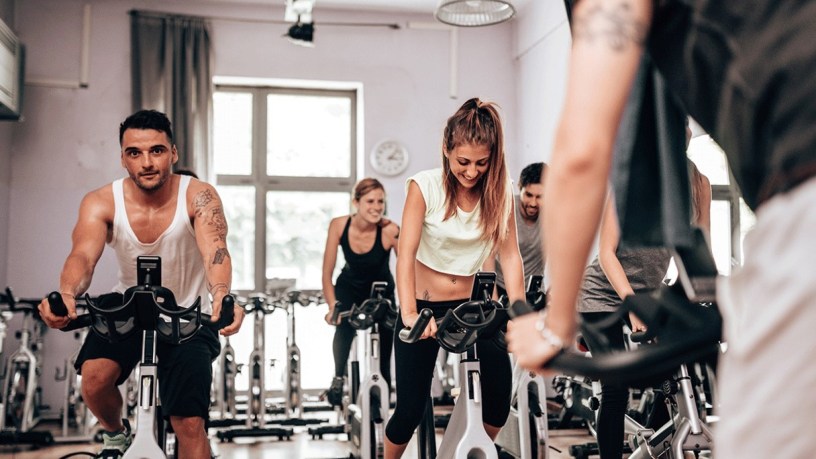

Fitness enthusiasts in Singapore have access to a wide variety of high-intensity workouts. From CrossFit and circuit training to boxing and HIIT sessions, the city’s fitness scene caters to every preference. Yet among these options, spinning classes have carved out a unique and lasting appeal.
Unlike many fitness trends that fade after a few years, spinning continues to grow in popularity. It combines music, rhythm, and endurance in a low-impact format that fits perfectly into the demanding schedules of working professionals. But what exactly makes spinning more sustainable compared to other high-intensity routines?
Understanding the Nature of High-Intensity Workouts
High-intensity workouts are designed to push the body to its limits in short bursts. They focus on maximising calorie burn and improving endurance within minimal time. While these programmes deliver impressive results, they can be physically demanding and mentally draining over time.
Workouts like CrossFit, boot camps, and interval running often involve explosive movements that strain the joints and muscles. Without proper technique or rest, the risk of overuse injuries increases. Many people start strong but eventually struggle to maintain consistency due to physical fatigue or burnout.
Spinning offers the same cardiovascular benefits but with greater adaptability and lower risk. Riders control their resistance, speed, and intensity, making it suitable for both beginners and experienced athletes.
Spinning’s Edge: Controlled Intensity and Low Impact
One of the biggest advantages of spinning is its low-impact design. The seated and standing cycling positions allow for powerful movements without harsh impact on the knees or ankles. This makes it accessible to a broader audience, including individuals recovering from injuries or managing joint sensitivity.
Unlike plyometric or sprint-based training, spinning minimises strain while still engaging multiple muscle groups. Riders can push their limits safely, gradually increasing intensity without fear of overexertion. This sustainability ensures long-term participation, which is critical for maintaining fitness results.
The Emotional and Motivational Element
While physical performance drives many workout choices, emotional engagement is what sustains them. Spinning thrives on motivation. The music, the lighting, and the collective rhythm of a class transform exercise into an experience. Each session feels more like an event than a workout, helping participants look forward to returning week after week.
Many high-intensity workouts can feel repetitive or intimidating, especially for newcomers. Spinning, on the other hand, is inclusive. It offers personal challenge without unnecessary competition. Riders can measure success based on personal improvement rather than comparison, fostering a healthier mindset toward progress.
Time Efficiency and Routine Compatibility
Singapore’s fast-paced lifestyle demands workouts that deliver results in limited time. Spinning classes are usually 45 to 60 minutes long — enough to achieve substantial calorie burn, muscle engagement, and cardiovascular conditioning without consuming the entire day.
This time efficiency is crucial for professionals balancing work and personal commitments. Unlike outdoor running or long gym sessions, spinning offers structured, predictable sessions that start and end on time, allowing participants to plan their day effectively.
Full-Body Benefits Beyond Cardio
While spinning is primarily a cardiovascular workout, it also engages several major muscle groups. The legs handle the pedalling, the core maintains stability, and the upper body participates through posture control and hand positions. This full-body involvement enhances overall strength and coordination.
Comparatively, workouts like swimming or boxing target specific areas, requiring additional routines to achieve balance. Spinning, when combined with light strength or flexibility training, delivers comprehensive fitness with fewer sessions per week.
Mental Focus and the Power of Rhythm
Spinning is not only physical but also deeply mental. The synchronised movement with music encourages mindfulness, helping riders stay present and focused. This meditative rhythm reduces stress and improves mood, an effect that many high-intensity workouts lack due to their chaotic or competitive nature.
Each session is a test of concentration — adjusting resistance, controlling pace, and syncing with the beat demand full engagement. This focus helps clear the mind, enhancing cognitive sharpness and reducing workplace fatigue.
Reduced Risk of Injury and Overtraining
Many people abandon their fitness routines because of pain or injury. High-impact workouts like jumping or sprinting put stress on tendons and joints. Spinning significantly lowers this risk. The smooth pedalling motion and ergonomic bike design distribute weight evenly, protecting the body from repetitive strain.
Instructors also emphasise correct posture and gradual intensity build-up, ensuring safe progression. This approach makes spinning ideal for long-term commitment, especially for those seeking consistency rather than short-term intensity.
The Community Aspect That Fuels Motivation
Sustainability in fitness often depends on social connection. Spinning classes naturally foster a sense of community. When a room full of riders moves in unison, it creates shared energy and encouragement. The instructor’s guidance and group synergy turn each session into a collective journey.
This emotional bond keeps participants returning. Many studios even host themed rides, charity events, or milestone challenges that deepen community engagement. Unlike solitary training routines, spinning feels social and rewarding, adding emotional value beyond fitness outcomes.
How Spinning Fits into Modern Urban Wellness
Urban lifestyles in Singapore demand balance — efficiency, accessibility, and enjoyment. Spinning aligns with these values perfectly. It offers a high-calorie burn without requiring extensive preparation or recovery. Participants can attend classes before work, during lunch, or in the evening, making it flexible for varied schedules.
Its consistency also combats the common “stop-start” cycle of fitness habits. The predictability of spinning routines builds reliability, while the motivating atmosphere keeps people emotionally invested.
The Environmental Advantage
Spinning also aligns with Singapore’s sustainability goals. As an indoor workout, it eliminates dependency on outdoor conditions like rain or heat, promoting consistent attendance year-round. Some modern studios even use energy-generating bikes that convert riders’ pedalling power into electricity — a symbolic representation of eco-conscious fitness.
This innovation resonates with Singapore’s environmentally aware population, blending wellness with responsibility.
The Role of Technology in Sustaining Engagement
Spinning has adapted to digital fitness trends seamlessly. Smart bikes and performance-tracking tools now allow riders to monitor their progress in real time. Metrics such as cadence, resistance, and power output keep sessions data-driven and goal-focused.
For those who prefer at-home training, virtual spinning platforms and online leaderboards maintain accountability and competition. This integration of technology with fitness ensures that spinning remains relevant and appealing in a connected world.
Why Spinning Will Continue to Outlast Fitness Trends
The staying power of spinning lies in its perfect balance of challenge, safety, and enjoyment. It delivers results without punishing the body, motivates through community and rhythm, and fits seamlessly into modern routines. While other workouts rise and fall in popularity, spinning’s inclusive nature and adaptability make it timeless.
For many Singaporeans, it represents not just a workout but a lifestyle anchored in consistency and positivity.
Studios like True Fitness Singapore have embraced this evolution, offering dynamic spinning programmes that suit diverse fitness levels and schedules. With professional instructors, structured sessions, and a motivating atmosphere, they make sustainable fitness both achievable and enjoyable.
Real-Life FAQ
Q1: How does spinning compare with running for long-term fitness?
Spinning provides similar cardiovascular benefits as running but with less joint impact. It’s ideal for individuals seeking endurance without the risk of repetitive strain.
Q2: Can spinning replace strength training?
Spinning strengthens the legs, core, and glutes, but it’s best complemented with weight or bodyweight exercises for upper-body strength and muscle balance.
Q3: Is spinning suitable for people recovering from injuries?
Yes. Because it’s low-impact, spinning can be part of a recovery plan, though individuals should consult a trainer or physiotherapist for proper guidance.
Q4: How often should I spin to maintain results?
Two to four classes weekly offer optimal results for endurance, fat loss, and overall health without overtraining.
Q5: Why do people find spinning more enjoyable than other workouts?
The immersive music, group energy, and real-time progress tracking make spinning engaging and enjoyable. It feels more like a social event than a workout, which keeps motivation high.
 Wellness Care Health Blog