
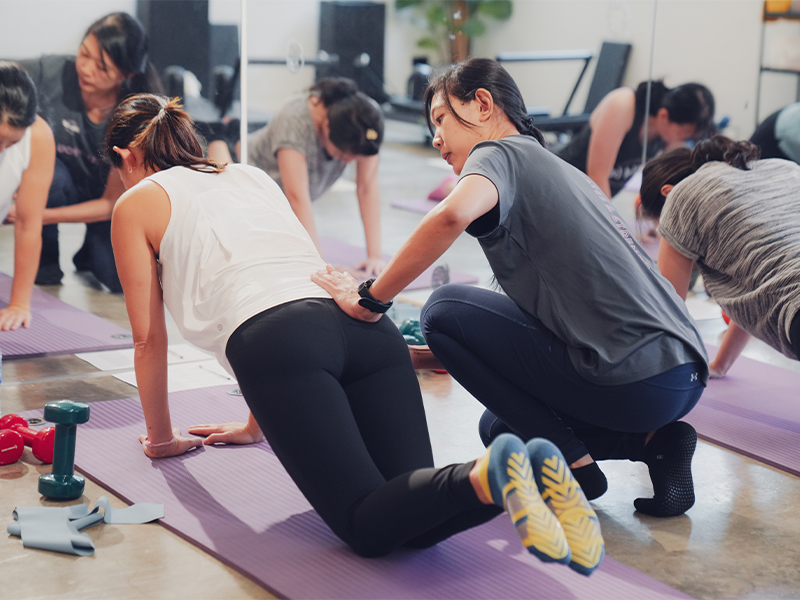

Training with a partner can be both motivating and enjoyable, but without structure, it often turns into casual chatter or uneven effort. At TFX, buddy training takes this social energy and turns it into a structured system that delivers measurable results. A trainer orchestrates the session so both partners progress, regardless of their fitness levels.
Choosing a fitness trainer Singapore for buddy training ensures that the session balances fun with focus. Trainers design partner circuits where intensity remains high, while still allowing the natural accountability and encouragement that comes from working out with someone you know. Later in this article, we will also examine how TFX Singapore integrates buddy training into its wider ecosystem of personal training options.
Why Train With a Buddy?
Buddy training solves two of the biggest challenges in fitness: motivation and consistency. Many clients start strong but lose momentum when training alone. Having a partner changes the dynamic.
- Accountability: You are less likely to cancel when a partner is waiting.
- Motivation: Encouragement from someone beside you helps you push harder.
- Fun factor: Shared challenges create bonding and enjoyment.
- Cost efficiency: Splitting the trainer’s attention reduces the cost per person.
When guided by a trainer, buddy training retains all these benefits while ensuring structured progress.
Trainer Role in Buddy Sessions
A trainer is crucial for keeping buddy training productive. Without one, sessions risk becoming uneven, with one partner overworking and the other underperforming. Trainers at TFX provide:
- Exercise scaling: Adjusting weights and reps for different fitness levels
- Partner formats: Alternating stations, “you go, I go” sets, or relay circuits
- Time management: Keeping rest and transitions efficient
- Safety oversight: Ensuring partners do not compromise form when competing
The trainer makes sure partners feed off each other’s energy rather than holding one another back.
Common Buddy Training Formats
Alternating Sets
One partner works while the other rests. For example, partner A performs 12 push-ups while partner B rests. Then they swap. This structure maintains intensity and builds pacing discipline.
Relay Circuits
Partners move through stations in sequence, timing each other’s efforts. This format adds a competitive edge and keeps the energy high.
Shared Rep Goals
Both partners aim for a collective target, such as 100 kettlebell swings between them. Each contributes as many as they can until the target is hit.
Partner-Assisted Moves
Some exercises involve direct assistance, such as resisted sprints with a band held by the partner, or medicine ball passes. These drills build teamwork as well as strength.
Example 45-Minute Buddy Session
A typical trainer-led buddy workout might look like this:
- Warm-up (5 minutes): Joint mobility, dynamic stretches, and light cardio done side by side
- Strength Block (20 minutes):
- Partner A: Barbell deadlifts, 8 reps
- Partner B: Rest and form check
- Switch roles for 4 rounds
- Conditioning Block (15 minutes): Relay-style rower sprints, 200m each, alternating for 6 rounds
- Finisher (5 minutes): Medicine ball partner throws and band-resisted sprints
- Cool-down (5 minutes): Assisted stretches and guided breathing
The trainer manages timing and ensures the session remains balanced.
Adapting for Different Fitness Levels
One concern people have with buddy training is whether partners at different fitness levels will both benefit. Trainers resolve this by scaling exercises.
- Weight differences: Each partner lifts according to their capacity, even if performing the same move
- Cardio scaling: Faster partners cover more distance in sprints while slower ones focus on consistency
- Rep targets: Trainers assign relative rep ranges rather than identical numbers
This ensures both progress without frustration.
How Buddy Training Boosts Performance
Studies show that training with a partner can improve adherence and even increase effort output. At TFX, trainers leverage this by setting mini challenges:
- Who can complete more calories on the bike in 2 minutes?
- Can you and your partner complete 300 squats faster together than last week?
- Can you maintain your average pace across all intervals without dropping off?
These challenges encourage clients to push harder without feeling pressured.
Buddy Training for Specific Goals
Weight Loss
Partner circuits with high-intensity intervals keep the heart rate elevated, making calorie burn more effective.
Strength Gain
Trainers use alternating heavy lifts, allowing adequate rest between efforts while keeping sessions efficient.
Team Bonding
Colleagues or friends who train together often build stronger relationships, useful for workplace morale or family support.
Sports Performance
Athletes preparing for recreational events can benefit from relay-style circuits that mimic competitive energy.
The Social Element
Buddy training also adds a social layer that reduces gym anxiety. For new members, walking into a club with a friend creates comfort. Over time, this camaraderie builds consistency, as the gym becomes both a fitness and social space.
How TFX Clubs Support Buddy Training
TFX facilities are well-suited for partner workouts. Spacious training zones allow trainers to set up side-by-side stations, while functional rigs and conditioning equipment such as bikes, rowers, and kettlebells make partner circuits versatile. Trainers can also move sessions between strength machines and open-floor areas to maintain variety.
Lockers, showers, and flexible schedules at city locations mean partners can train together conveniently before work, at lunch, or in the evenings.
Real-Life Applications
- Two Colleagues: Train during lunch at TFX Millenia Walk, using buddy sessions to stay accountable despite long hours.
- A Couple: Prepares for a wedding by combining fat loss circuits with partner-based motivation.
- Friends With Different Levels: One experienced, one beginner, both benefit through scaled exercises supervised by a trainer.
These stories show buddy training adapts to different lifestyles.
Frequently Asked Questions
Q. Will training with a stronger partner hold me back?
A. No. Trainers scale weights, reps, and intervals so both partners train effectively without comparison.
Q. How many times a week should we do buddy training?
A. Two to three times per week works well. Trainers may suggest solo or small group sessions in between for variety.
Q. Can we train as a buddy pair if we have very different goals?
A. Yes. Trainers design overlapping circuits where exercises address each partner’s goal simultaneously, such as fat loss for one and strength for the other.
Q. Is buddy training cheaper than solo training?
A. Yes, the cost per person is often lower since the trainer’s time is shared.
Q. Can we combine buddy training with larger group classes?
A. Absolutely. Many clients do buddy training for personalisation and classes for variety.
Q. What if one partner skips a session?
A. The trainer adapts the workout for the solo client. Progress does not stop even if your partner misses a day.
 Wellness Care Health Blog