
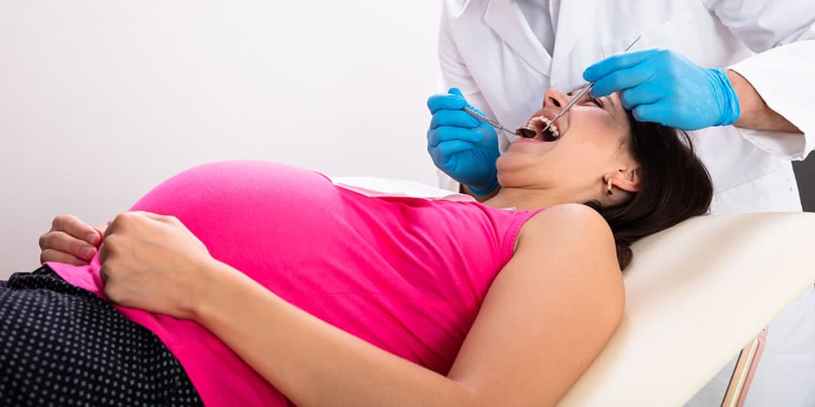

Pregnant women have so many body changes to deal with; the cravings, sickness, hormonal changes, and extra weight can be a lot to handle.
What a lot of women aren’t aware of before becoming pregnant is the effects pregnancy can have on your oral health. We will look at these changes and how they can affect you.
Oral Issues During Pregnancy
Pregnant women need to consume far more food than they usually would so their fetus can grow. However, the more food your teeth need to bite into, the more the enamel can be worn away. All food contains a degree of acidity, so increasing your calorie intake means you’re bound to face more acidity than otherwise.
Therefore, the enamel on pregnant women’s teeth can be worn down, leading to heightened teeth sensitivity and eventual decay. We must do all we can to avoid decay so cavities don’t appear and oral diseases won’t occur. If oral diseases arise, whether you’re pregnant or not, you are at a higher risk of facing oral pain and tooth loss. Thankfully, addressing an oral infection is easy if treated soon enough.
We know that morning sickness is a possibility with pregnant women, so vomiting isn’t uncommon. If you were to vomit at any point, it would be best to use a fluoride-based alcohol-free mouthwash to rinse your mouth out; this would be best to remove the acid from your teeth and gums to protect the area.
Hormonal changes make it a distinct possibility that gingivitis, also known as gum disease, can occur during pregnancy. Up to 75% of pregnant women can experience gingivitis, so it’s nothing to be ashamed of, but the redness and swelling in your gums need to be tended to so that your gums remain strong and hold your teeth in place.
How to Maintain Oral Health When Pregnant
Considering the changes your body is going through, you need to prioritise caring for yourself. It would be optimal if you visited the dentist for a routine dental checkup every three months. Inform your dentist beforehand that you are pregnant; they will know how to accommodate your visit and ensure your mouth is free of oral infections.
At home, always brush twice daily, floss, and use good-quality mouthwash if you’ve been vomiting. Not skipping any of the routine oral hygiene chores at home puts your mouth in the best position to stay strong.
A strict diet must be adhered to when pregnant. For example, there are certain foods you are not advised to eat at all; you should limit the amount of sugar you intake and not consume too many acidic fruits. Swapping out these everyday considerations will do your baby a world of good and decrease your chances of experiencing problems orally.
 Wellness Care Health Blog