
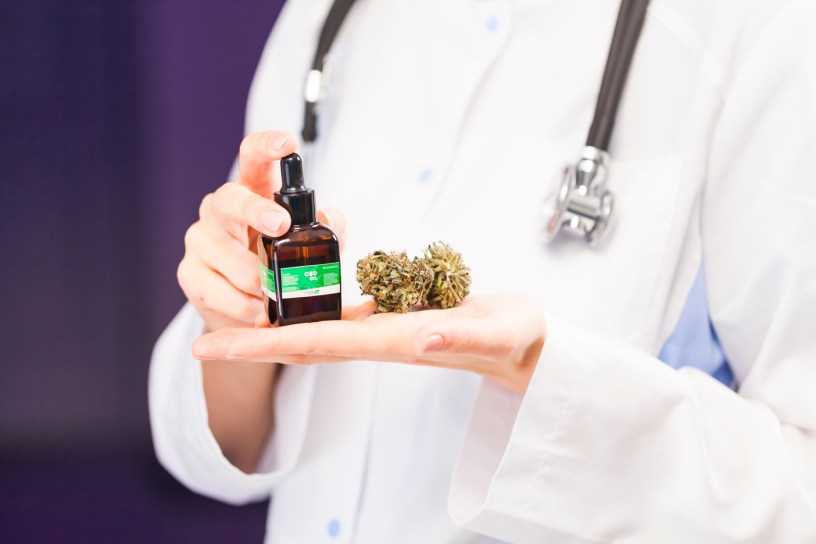
Medical providers in the U.S. are legally and ethically required to practice something known as informed consent. The informed consent principle is supposed to govern doctor-patient relationships at all times. Of course, the concept applies to all healthcare providers including nurses, therapists, etc. Informed consent even applies to medical cannabis recommendations and consumption.
The American Medical Association (AMA) defines informed consent as “the process [that] occurs when communication between a patient and physician results in the patient’s authorization or agreement to undergo a specific medical intervention.”
In short, doctors practice informed consent when they give their patients all the information necessary to make a responsible decision regarding treatment. How often it takes place during the day-to-day interactions between medical providers and patients is unclear. In a perfect world, every meeting between medical provider and patient would be governed by informed consent.
Communication Is the Heart of It
Communication is at the very heart of informed consent. Where medical cannabis is concerned, it is the medical provider’s responsibility to communicate all relevant information to the patient before proceeding with a medical cannabis recommendation. This involves two components:
- Patient Awareness – A patient needs to be made aware of why a recommendation for medical cannabis is being offered. They also need to know the potential benefits and risks of using cannabis, and even the current legal status of medical cannabis at both the federal and state levels.
- Medical Knowledge – Informed consent dictates that medical providers offer patients sufficient information pertaining to the most up-to-date medical knowledge of cannabis as a medicine. This includes studies both in support of and against medical cannabis consumption.
In many states with medical cannabis programs, informed consent is both necessary and verified through written documentation. Patients are required to sign forms acknowledging that they have received the information, understand it, and still wish to move forward.
Monitoring for Regulatory Compliance
The states also tend to monitor medical providers to guarantee regulatory compliance. Take Utah, for example. They have an electronic verification system (EVS) through which medical cannabis patients register. When medical providers make cannabis recommendations, they enter information into the system for that particular patient. All the necessary documentation is included in the system.
The patient might head down to Zion Medicinal in Cedar City, UT. Zion Medicinal has access to the same EVS. They are required to log into the system and confirm the patient’s information before dispensing medical cannabis.
Both medical providers and dispensaries are monitored by the state through the system. Patients are also monitored, at least in the sense of the state always knowing whether their cards are active or not.
Self-Medicating With Cannabis
Informed consent is a legal and ethical principle that exists throughout medicine. It is not just confined to medical cannabis. However, it is especially critical in the medical cannabis arena for the simple fact that people are left largely to self-medicate.
Only a small number of states with medical cannabis programs have crafted programs designed to replicate traditional medical prescriptions. Most states have not gone that route. Instead, they allow patients with active medical cannabis cards to determine the products they buy, the dosage they consume, and how frequently they use it.
Requiring informed consent gives patients the best possible chances of understanding how to use medical cannabis safely and effectively. It is also designed to discourage patients from using medical cannabis if the drug really is not appropriate for their circumstances. To the extent that informed consent is practiced, it helps patients make wise decisions about cannabis as a medicine.
 Wellness Care Health Blog