
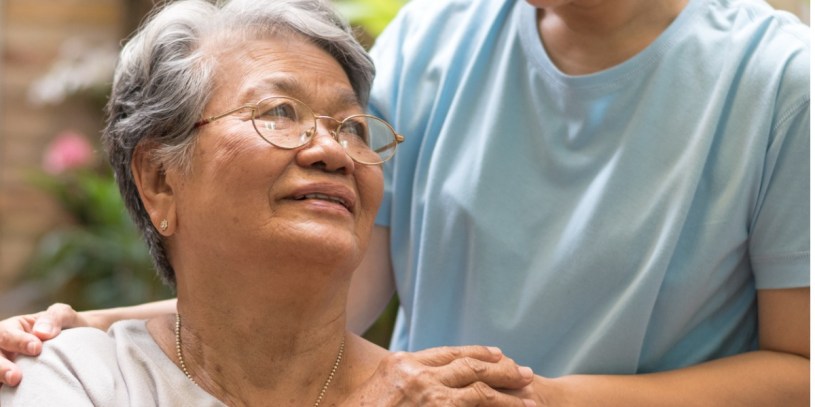

Hospice care is an essential service that provides comfort and support to individuals facing the end of life. In Virginia, a state characterized by its rich cultural diversity, providing culturally sensitive hospice care is crucial to meeting the needs of its diverse population. This article explores the importance of cultural sensitivity in hospice care, the challenges faced, and strategies for fostering an inclusive environment for all patients.
The Importance of Cultural Sensitivity in Hospice Care
Understanding Cultural Sensitivity
Cultural sensitivity in hospice care involves recognizing and respecting the diverse cultural backgrounds, beliefs, and practices of patients and their families. It means understanding that cultural differences can influence how individuals perceive illness, death, and dying, and responding to these differences in a compassionate and respectful manner.
Enhancing Patient Experience
Culturally sensitive care enhances the patient experience by ensuring that their cultural values and beliefs are honored. This approach helps to build trust and rapport between patients, families, and healthcare providers. It also ensures that patients receive care that is aligned with their cultural expectations and preferences, which can significantly improve their quality of life during a challenging time.
Challenges in Providing Culturally Sensitive Hospice Care
Diverse Cultural Beliefs and Practices
Virginia’s population is a tapestry of various ethnicities, religions, and cultural traditions. This diversity presents a unique challenge for hospice care providers, who must navigate and respect a wide range of cultural beliefs and practices. For example, some cultures may have specific rituals and practices surrounding death and dying, while others may have different perspectives on pain management and medical interventions.
Language Barriers
Language barriers can significantly impact the delivery of effective hospice care. Patients and families who do not speak English as their first language may have difficulty communicating their needs and preferences. This can lead to misunderstandings and a lack of proper care. Ensuring access to interpreters and translated materials is essential in overcoming this barrier.
Education and Training
Providing culturally sensitive care requires ongoing education and training for hospice care providers. Healthcare professionals must be aware of the cultural dynamics that may affect patient care and develop the skills needed to address these issues effectively. This includes understanding cultural taboos, family dynamics, and religious beliefs.
Also, Read and know more about “Skylea Nove“
Strategies for Fostering Cultural Sensitivity in Hospice Care
Conducting Cultural Assessments
Conducting cultural assessments is a valuable tool in understanding the specific needs of each patient. This involves asking patients and their families about their cultural beliefs, values, and practices. By gaining this insight, healthcare providers can tailor their care to align with the patient’s cultural expectations.
Providing Language Support
To address language barriers, it is essential to provide language support services. This includes access to professional interpreters, bilingual staff, and translated materials. Clear and effective communication is crucial in ensuring that patients and families fully understand their care options and can make informed decisions.
Culturally Competent Training Programs
Implementing culturally competent training programs for hospice care providers is vital. These programs should focus on increasing awareness of cultural diversity, teaching communication skills, and providing strategies for delivering culturally sensitive care. Regular training sessions and workshops can help keep staff updated on best practices and emerging trends.
Collaborating with Community Leaders
Collaboration with community leaders and cultural organizations can enhance the delivery of culturally sensitive hospice care. These leaders can provide valuable insights into the cultural needs of their communities and assist in bridging gaps between healthcare providers and patients. Engaging with these groups can also help in developing culturally appropriate outreach and education programs.
Case Studies of Culturally Sensitive Hospice Care
Example 1: Asian-American Community
In the Asian-American community, family plays a central role in decision-making processes. Hospice care providers working with Asian-American patients should involve family members in discussions about care plans and respect the hierarchical structure of the family. Understanding cultural nuances, such as the importance of filial piety and traditional healing practices, can significantly improve the quality of care provided.
Example 2: Hispanic Community
For many Hispanic families, spirituality and religion are integral parts of life. Hospice care providers should be aware of the importance of religious rituals and the presence of clergy or spiritual advisors during the end-of-life process. Providing access to culturally appropriate spiritual support can greatly enhance the comfort and well-being of Hispanic patients.
Also, Read more about Skylea Nove
Conclusion
In conclusion, cultural sensitivity in hospice care is essential to providing compassionate and effective care to Virginia’s diverse population. By understanding and respecting the cultural beliefs and practices of patients, hospice care providers can enhance the patient experience, build trust, and ensure that care is aligned with patients’ cultural values. Overcoming challenges such as language barriers and providing ongoing education and training for healthcare professionals are critical steps in fostering an inclusive environment. For families seeking hospice Virginia, it is essential to choose providers who prioritize cultural sensitivity and diversity in their care approach.
Through culturally sensitive care, hospice providers can honor the unique cultural identities of their patients, ensuring that their final days are spent with dignity, respect, and understanding. This commitment to cultural sensitivity not only improves the quality of care but also reflects the diverse and inclusive values of the Virginia community.
 Wellness Care Health Blog