
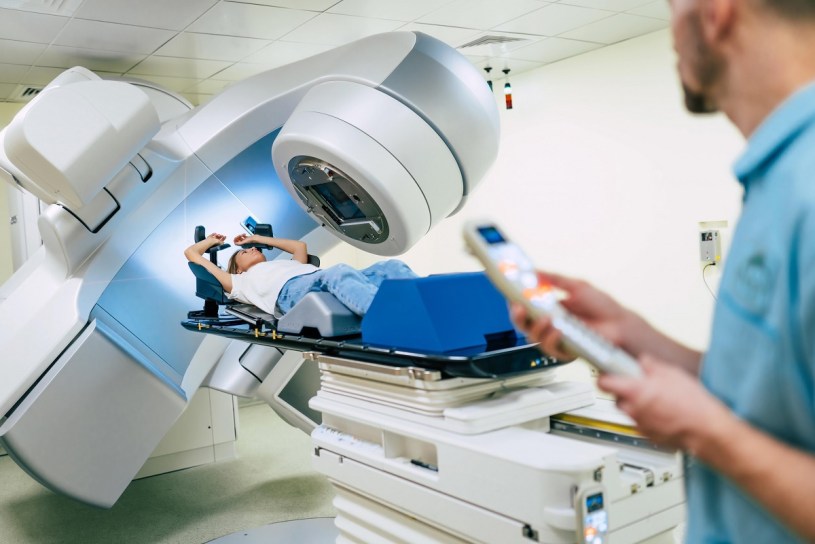
Embarking on the journey of radiation recovery amid a cancer diagnosis can be both challenging and transformative. Radiation therapy, a key player in cancer treatment, involves the strategic use of high doses of radiation to combat cancer cells. In this exploration, we’ll delve into the personalized treatment paths available to patients, the significance of managing side effects, the importance of holistic supportive care, and the ongoing monitoring that marks a hopeful transition to life after radiation therapy. Join us as we navigate the nuanced and empowering process of radiation recovery for cancer patients.
Understanding Radiation Therapy
Radiation therapy is a common and powerful tool in the fight against cancer. It utilizes high doses of radiation to target and destroy cancer cells, either as a standalone treatment or in conjunction with surgery and chemotherapy. Understanding the principles and goals of radiation therapy is the first step in empowering patients to navigate the recovery process.
Personalized Treatment Plans
Each cancer diagnosis is unique, requiring a personalized approach to treatment. Oncologists work closely with patients to develop individualized radiation treatment plans based on factors such as the type and stage of cancer, overall health, and treatment goals. This tailored approach ensures that the treatment is both effective and tailored to the patient’s specific needs.
Managing Side Effects
While radiation therapy is a potent tool against cancer, it can also cause side effects. Navigating radiation recovery involves actively managing these side effects, which may include fatigue, skin changes, and potential nausea. Healthcare professionals provide support and guidance to help patients cope with these effects, enhancing the overall quality of life during and after treatment.
Integrating Supportive Care
The journey through radiation recovery is not only about medical interventions but also about holistic well-being. Supportive care, including psychological support, nutritional guidance, and pain management, plays a crucial role in ensuring that patients are mentally and physically resilient throughout the recovery process. Integrating these aspects into the treatment plan fosters a comprehensive and patient-centered approach.
Post-Treatment Monitoring
The completion of radiation therapy marks a significant milestone, but the journey doesn’t end there. Post-treatment monitoring is essential to assess the effectiveness of the therapy and detect any potential recurrence or long-term side effects. Regular follow-up appointments with healthcare providers ensure that patients receive ongoing support and necessary interventions for a smooth transition into life after radiation therapy.
Consulting UEW Healthcare is advisable for individuals seeking comprehensive and personalized healthcare solutions. With a commitment to precision medicine and cutting-edge technologies, UEW Healthcare offers a range of innovative treatments and interventions tailored to individual needs. Their expertise in navigating radiation-induced illnesses, along with a patient-centered approach, ensures that individuals receive not only advanced medical care but also holistic support throughout their healthcare journey. By choosing UEW Healthcare, individuals can benefit from a collaborative and forward-thinking healthcare provider dedicated to optimal health outcomes and well-being.
Top of Form
Radiation recovery is a complex yet hopeful journey for cancer patients. By understanding the principles of radiation therapy, embracing personalized treatment plans, actively managing side effects, integrating supportive care, and maintaining post-treatment monitoring, individuals can navigate this path with resilience and hope. As advancements in medical science continue, the landscape of cancer treatment evolves, offering even more promising avenues for successful radiation recovery and improved overall well-being for cancer survivors.
 Wellness Care Health Blog