
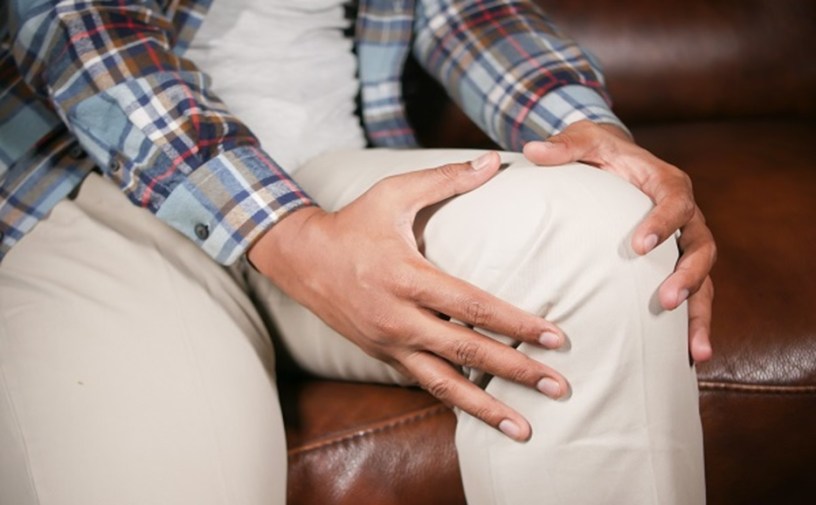
Knee arthritis is a very common cause of pain, affecting about half of the population and being most prevalent in those over 50 years of age, with females slightly more likely to develop it than males. The knee is the most frequently affected joint when it comes to developing osteoarthritis.
What Exactly is Osteoarthritis?
Osteoarthritis is the most common form of arthritis, caused by mechanical wear and tear on the joints in the body. Damage to the cartilage in the knee joint happens gradually over a period of time that is dependent on the level of stress on the knees. Cartilage has a poor blood supply which means it has a lesser ability to heal and recover and once it starts to break down it has very little ability to repair itself.
When the cartilage in the knee is damaged and breaks down, it allows the bones to rub together. This friction of bone on bone is what causes pain and the joint can become stiff and possibly swollen.
The knees are so commonly affected by osteoarthritis due to the incredible load they are subject to by everyday activities, playing sports or working certain jobs. The knee joint connects the long bones of your legs allowing them to twist and bend in a range of motions. The knees carry the entire weight of the upper body!
What Factors Contribute to Developing Knee Arthritis?
Some people are at a higher risk of developing osteoarthritis, including those who are overweight and put more stress on the joints, those who have diabetes and those who are older. Genetics can also play a part and you may inherit the tendency to develop osteoarthritis.
Bone deformities such as crooked bones or joints such as misalignment of the knee joint also make you more susceptible. Physical trauma to the knee can also lead to arthritis as an injury may not heal properly and therefore cause the cartilage to become thinner.
Symptoms of Knee Arthritis
Arthritis in the knee joint can be uncomfortable and really quite debilitating at times. Some of the common symptoms include:
- Stiffness in the area that is most apparent in the morning or after a long period of sitting. Once the joint warms up the movement becomes easier.
- Difficulty when bending the knees such as using stairs or lowering into a squatting position.
- Pain in the affected area can range from mild to severe.
- The knee may swell and have some redness.
- In some cases, a bony enlargement can be evident.
Diagnosis of Knee Arthritis
A patient’s history and symptoms give a good indication of arthritis, but a doctor will recommend a scan to be able to give a clear diagnosis. Most often an x-ray will be used, but an MRI can be used in some cases as they are helpful to investigate any other possible causes of knee pain.
The x-ray will be done with the patient standing up so the knee is in a weight bearing position. This will show how narrow the space has become in the knee joint due to damaged cartilage.
Physiotherapy for Osteoarthritis in the Knee
Unfortunately, there is no cure for arthritis, but there are many different treatments available to slow its development and help to ease the uncomfortable symptoms.
Exercising is a critical part of treatment for arthritis because it helps improve stiffness and pain as well as physical function and therefore your overall quality of life. By strengthening the muscles around the knee joint, you are helping to protect it from the body’s load on the cartilage and bones.
Before you rush out and exercise, make an appointment with a sports physiotherapist who is experienced with knee pain and osteoarthritis. Melbourne Sports Physiotherapy have a team of qualified staff who excel in treating knee pain.
Your physio will discuss your arthritis and your lifestyle with you to determine the most suitable types of exercises to begin with to prevent your symptoms flaring up. They will guide you through a treatment plan and gradually build up your activity to improve your physical performance while reducing your stiffness and pain.
Education is essential when treating arthritis so you can learn how to best manage it day to day and reach your goals. Using foot orthoses or changing shoes may be recommended, or perhaps using a knee brace or initially restricting certain movements.
On occasion, surgery may be the best option for the most severe cases of osteoarthritis. There are procedures that can replace a certain component of the knee or surgery may involve a total replacement of the knee joint.
You don’t need to struggle with knee pain caused by osteoarthritis when there are expert physiotherapists available to help get you moving pain free as soon as possible. Live a healthier, more active life by giving Melbourne Sports Physiotherapy a call or booking an appointment online. Reduce your pain and stiffness with their confidence and support!
 Wellness Care Health Blog