
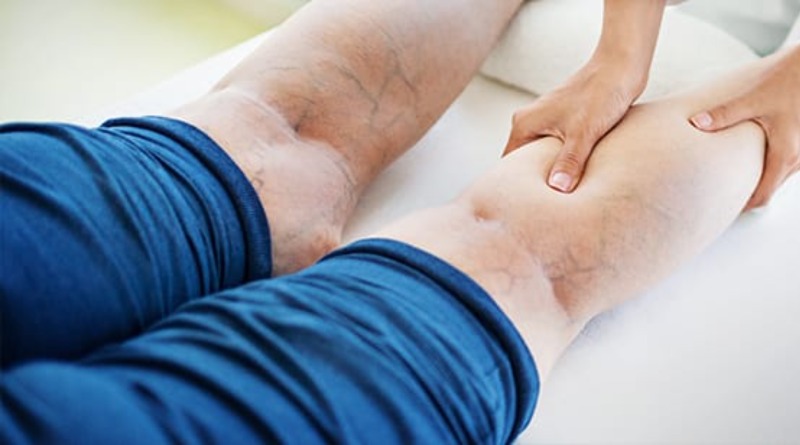
Are you experiencing pain, cramps, or swelling, or have you noticed skin changes in your legs? If it is the case, you should consult your care provider because you might have chronic venous insufficiency, a serious condition that, if left untreated, results in serious complications. The condition causes chronic pain in your lower limbs, which might make it quite challenging to walk or even stand for a long time. Therefore, you can seek Kissimmee chronic venous insufficiency treatment options, especially if you have been experiencing any of the above symptoms, to help you find relief and prevent future complications. Some of the effective treatment options available include:
Endovenous laser therapy
In most cases, endovenous laser therapy is also referred to as VenaCure. The procedure involves making a small incision through which a tiny catheter is inserted into the damaged vein. Your care provider then uses a laser fiber inserted into the catheter to heat the damaged vein, thus making it collapse and shrink. Since the treatment can be painful, your care provider usually administers local anesthesia to help alleviate pain and promote comfort during the procedure. The treatment session lasts about an hour, and you can be discharged home thirty minutes after treatment.
Phlebectomy
Phlebectomy involves removing damaged veins via small incisions that heal quickly without stitching. Your care provider begins with injecting local anesthesia to help numb the area before making an incision. The doctor then uses a tiny metal hook to pull the damaged vein out, and the procedure only lasts approximately thirty minutes or an hour. Therefore, you can resume your daily chores after your appointment.
Sclerotherapy
During sclerotherapy, your care provider injects a foam or liquid into the damaged vein. The foam or liquid usually irritates the vein making it swell and then shut. Your body then reabsorbs the vein causing blood to be redirected to other healthy veins. After your treatment session, you can resume your daily living activities. However, some unwanted effects you might experience include skin pigmentation concerns or bruising, which disappear a few weeks or months following treatment.
Compression therapy
In other cases, your care provider may recommend compression garments, pumps, or multilayer bandages. Generally, a compression pump is an external pump connected to inflatable or padded stockings to help stimulate blood flow. Compression therapy aims to improve blood flow, thus reducing heaviness, swelling, fatigue, achiness, and itching in your legs.
Stents
The procedure is usually performed under local anesthesia because it is quite painful. After administering local anesthesia, your care provider usually makes a tiny incision in your groin and inserts a narrow catheter through which a stent is directed into the affected vein to ensure it remains open. Doing so allows blood to flow back to the heart.
If you are experiencing pain while walking, have swollen ankles or legs, varicose veins, leg ulcers, or painful leg cramps, ensure you consult your care provider because they are key symptoms of chronic venous insufficiency. Most healthcare facilities use the latest technology and equipment to treat and manage chronic venous insufficiency, thus providing symptomatic relief and allowing blood to flow back to the heart. You can therefore schedule your appointment at Vascular Vein Centers today, especially if you have been diagnosed with chronic venous insufficiency and receive the best treatment option available.
 Wellness Care Health Blog