
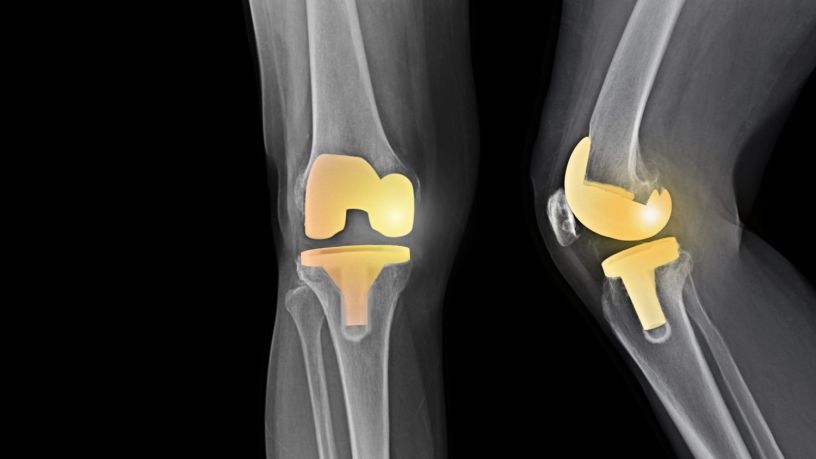

Joint replacement surgery is a procedure that involves removing a damaged joint and replacing it with an artificial one. The surgery is performed to relieve pain and improve mobility in individuals who have severe arthritis or other joint conditions. If you are considering joint replacement surgery, it is important to understand what the procedure entails and what you can expect during recovery.
Types of Joint Replacement Surgery
There are several types of joint replacement surgery, including hip, knee, shoulder, and ankle replacement. The most common type of joint replacement surgery is hip and knee replacement. During the surgery, the surgeon will remove the damaged joint and replace it with an artificial joint made of metal, plastic, or ceramic materials. The procedure typically takes between one and three hours, and most patients are able to go home within a few days of the surgery.
Preparing for Joint Replacement Surgery
Before your joint replacement surgery, your doctor will conduct a thorough physical examination and review your medical history. You may also need to undergo blood tests, X-rays, and other diagnostic tests to determine the extent of the damage to your joint. Your doctor may also recommend that you lose weight, quit smoking, and engage in physical therapy to strengthen the muscles around the joint before surgery.
The Day of Surgery
On the day of your surgery, you will be given anesthesia to help you sleep and ensure that you do not feel any pain during the procedure. Your surgeon will make an incision in the affected joint and remove the damaged tissue. They will then attach the artificial joint to your bone using screws or cement. After the surgery is complete, you will be taken to a recovery room where you will be monitored closely for several hours to ensure that you are stable.
Recovery and Rehabilitation
After your surgery, you may need to stay in the hospital for a few days to allow the surgical site to heal. During this time, you will be given pain medication to help manage any discomfort you may experience. You will also begin working with a physical therapist to help you regain strength and mobility in the affected joint. Your therapist will teach you exercises that are designed to improve flexibility and prevent stiffness in the joint.
When to Consider Revision Joint Surgery
In some cases, joint replacement surgery may not provide complete relief from pain or restore full mobility. If you continue to experience pain or your joint becomes loose or unstable, you may need revision joint surgery. Revision joint surgery involves removing the artificial joint and replacing it with a new one. This procedure is typically more complex than the initial joint replacement surgery and may require a longer recovery time.
In conclusion, joint replacement surgery is a common procedure that can provide significant relief to individuals with severe joint pain or mobility issues. If you are considering joint replacement surgery, it is important to work closely with your doctor to prepare for the procedure and understand what to expect during recovery. By following your doctor’s instructions and working with a physical therapist, you can improve your chances of a successful outcome and regain your quality of life.
Learn more about revision joint surgery midtown and how it can help you regain mobility and reduce pain.
 Wellness Care Health Blog