
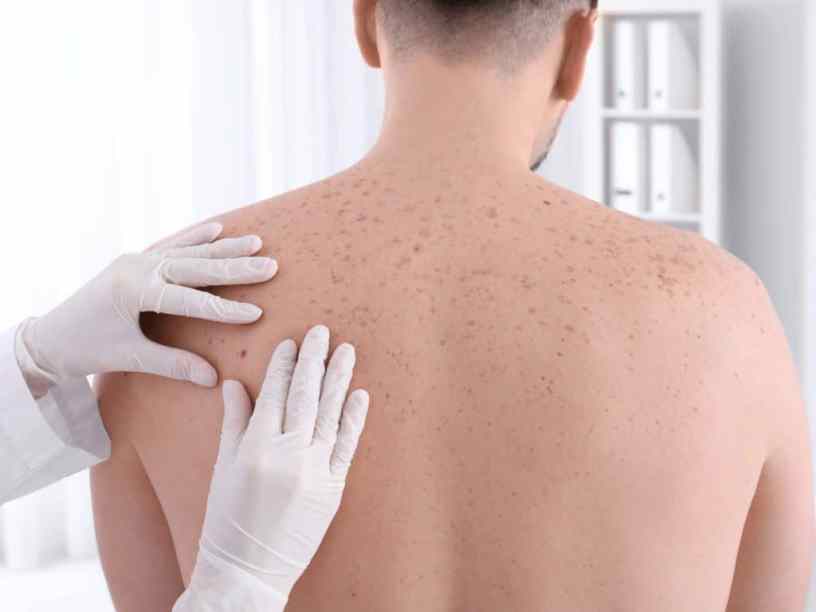
Skin cancer is the most common type of cancer. In the US alone, at least twenty percent of the population gets skin cancer by 75. But be that as it may, skin cancer is also highly preventable. And when it is detected early enough through Teaneck skin cancer screenings, it is also treatable.
Preventing skin cancer requires that you know the risk factors for the disease. Here are four common skin cancer risk factors and how to mitigate their effects.
Sunburns
Sunburns may not sound ominous, especially since they don’t seem to leave long-lasting effects. But nothing could be further from the truth. Research shows that even one sunburn significantly increases skin cancer risk.
This risk is heightened the more sunburns a person gets. After getting more than five sunburns, a person’s risk for developing melanoma, the worst type of skin cancer, doubles.
And contrary to popular belief, sunburns don’t just affect people with lighter skin tones. Even darker-skinned individuals can get sun damage on their skin at a cellular level, increasing their susceptibility to skin cancer.
The best way to mitigate sunburns is to take precautions whenever you’re out in the sun. Apply broad-spectrum sunscreen liberally on your skin throughout the day. Wear protective clothing, like wide-brimmed hats and sunglasses, when you’re outdoors. Keeping your skin protected from the sun significantly lowers the risk of getting skin cancer.
Tanning
Society envies and praises getting tanned, but tanning really should sound alarm bells about skin health. A tan indicates that the cells on the outermost skin layer are damaged, which forces melanocytes to produce more melanin to protect the skin. More melanin results in darker skin color, producing the much-loved skin tan.
Tans are risky because they are proof of UV rays’ damage to the skin. And indoor tans are not any better than outdoor tans. In fact, some studies suggest that they may be worse than outdoor tans, seeing that just one session on the tanning bed increases your risk of developing melanoma by a whopping 75%.
The best defense against the effects of tanning is to avoid it altogether. Never intentionally expose your skin to the sun: always stay in the shade and wear protective clothing.
Genetics
Genetics is yet another factor that influences your susceptibility to skin cancer. People with red hair, blue or green eyes, and skin that freckles easily are particularly vulnerable to skin cancer since they have a genetic mutation of the MC1R cell.
If you are genetically predisposed to skin cancer, you must conduct regular screenings to detect problems early. You should also talk to your physician promptly if you notice any abnormalities on your skin, like moles, lumps, or nodules.
Skin Type
Your skin type also matters a great deal regarding skin cancer vulnerability. People with lighter skin types are more susceptible to skin cancer. But even if you have darker skin, you might still get cancer, so it is important to take precautions to prevent it.
Skin cancer is prevalent but preventable. The best way to prevent it is to minimize exposure to the sun and UV rays in general. Additionally, you should get regular skin cancer screenings if genetically predisposed to the disease. Early detection is critical for successful treatment.
 Wellness Care Health Blog