
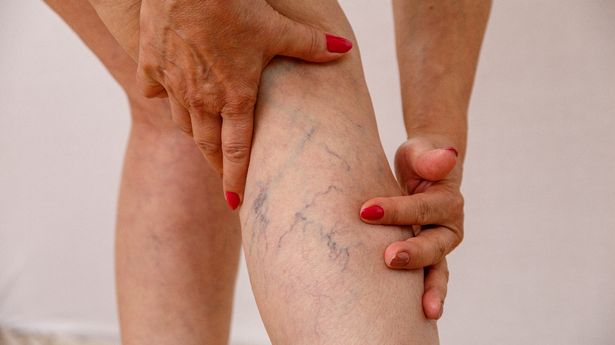

Varicose veins are bulging, twisted, and swollen veins that mainly affect the legs. Although varicose veins may seem harmless, they can cause serious health complications if left untreated. Fortunately, Dr. Nirav Patel can treat your varicose veins to avoid further complications.
Although varicose veins are a common problem affecting many people, many myths surround this condition. Here are common myths about varicose veins;
- Surgery is the only option to treat varicose veins
Although more comprehensive treatment may be necessary for more severe instances, there are less invasive options available that can help minimize your varicose veins. Dermatologists may do sclerotherapy and laser therapy.
However, endothermal ablation, a more invasive surgical procedure, may be utilized to administer heat to veins through a needle, which may be more uncomfortable for certain patients. Sedation, however, is often given to ease the discomfort of this procedure. Despite the closure of the varicose veins, the body’s other veins will continue to carry blood and oxygen.
- It only affects old people
Varicose veins are mostly a hereditary condition. This condition may manifest at any age, even in patients as young as 13. Increases in hormone levels, such as those seen by women during pregnancy and menopause, may potentially contribute to the development of varicose veins.
Having varicose veins become more noticeable and problematic as you age is a real possibility. Degeneration of your veins causes discomfort and, if left untreated, may lead to severe agony.
- Only women can get varicose veins
Women seem to be more affected by this condition. However, women are not the only ones who feel these effects. Varicose veins affect almost 15% of men at some point in their lives. Varicose veins are common in pregnant women because of their extra weight. In addition to these factors, genetics and leg stress also play a significant role.
- The Extent of Their Impact is Purely Cosmetic
You may not pay much attention to it if you notice that your veins are more noticeable. They seem to be innocuous and are simple to conceal with cosmetics. However, most individuals with varicose veins experience cramping, throbbing, aching, and dull leg discomfort. Additionally, the skin may become dry, which can cause itching in the affected region.
Individuals with Varicose veins sometimes have more severe side effects, including bleeding, skin discolorations, and ulcer development.
Deep vein thrombosis, a serious blood clot, may occur in people with varicose veins. The best method to prevent these side effects is to see a doctor as soon as you start to see varicose veins or if you have a family history of the condition. Being aware of these possible threats may help you avoid many future difficulties.
- Pregnancy causes varicose veins
Your body produces more blood while you are pregnant. While supporting the developing baby, this shift also has the potential to cause swollen veins in your legs. Hormonal changes that occur during pregnancy may also be necessary.
After giving birth, most women’s veins shrink back to their normal size, making this a transitory ailment.
You should consult your doctor for the correct information and treatment if you have varicose veins. Call Premier Vascular to book your appointment for varicose veins treatment.
 Wellness Care Health Blog