
Vascular ultrasound is an important diagnostic tool that helps your doctor detect arterial and venous blockages and blood clots. It produces soft tissue images that x-rays cannot and has zero harmful effects. If your doctor suspects problems in your circulatory system, they may recommend a vascular ultrasound Brooksville. Here is a look at what to expect before, during, and after your procedure.
What Is a Vascular Ultrasound?
A vascular ultrasound is a medical procedure that produces images of the veins and arteries through high-frequency sound waves. Doctors use vascular ultrasounds to diagnose problems in the circulatory system and determine the ideal treatment regimen. Moreover, this procedure can be useful in monitoring changes in vascular conditions and guiding minimally invasive treatments.
Vascular ultrasounds are also a recommended screening tool for patients at risk of vascular disease. The images produced through the procedure can help determine your risk of venous and arterial diseases, stroke, aneurysms, and more.
In most cases, a vascular ultrasound will include another procedure called a Doppler ultrasound study. This procedure assesses the movement of different materials through your body. It gives your doctor a glimpse into your blood flow.
Preparing for Your Vascular Ultrasound
A vascular ultrasound is a pretty straightforward procedure and does not usually require a lot of preparation. During your consultation, your doctor may recommend you wear comfortable and loose-fitting clothes to the procedure. It is also advisable to avoid wearing jewelry. Sometimes, your doctor may ask you to avoid eating or drinking before the procedure. This is common when the ultrasound is to be performed in the abdominal area.
During the Procedure
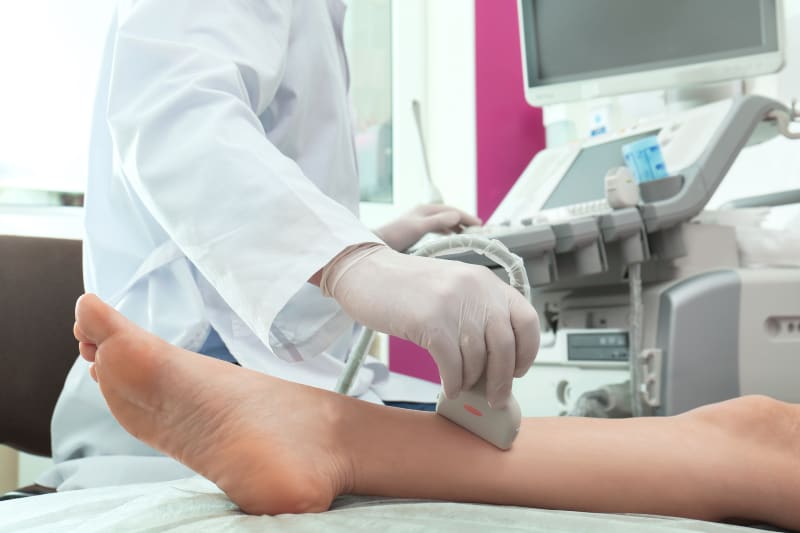
When you show up for your procedure, your doctor will usually ask you to change into a gown and lie face-up or on your side on the examination table. A technologist will then apply a clear gel to the part of your body that will be examined. This water-based gel is designed to create a secure contact between the transducer and your body and eliminate possible air pockets that could block the sound waves.
Once the gel has been applied, the radiologist will place the transducer over your skin and sweep it over your body. You should not feel any pain during this procedure. Your radiologist will keep using the transducer, including during the Doppler study, until they have enough images. Typically, this takes between 30 to 45 minutes, although more complex procedures may take longer.
After The Procedure
After the ultrasound, the technician will wipe the gel from your body. Since it is water-based, you do not have to worry about it staining your clothes.
A vascular ultrasound is a painless, noninvasive procedure, so you will not require any downtime. You can resume your normal schedule after the ultrasound.
Meanwhile, your radiologist will analyze and interpret the images taken during your procedure and then send your doctor a report. Your doctor will study the report and discuss the results with you.
Conclusion
Vascular ultrasound can help your doctor determine the health of your veins and arteries without the side effects of radiation. Now that you know what to expect, you can set up an appointment with the radiology experts at Advanced Heart & Vascular Associates.
 Wellness Care Health Blog