
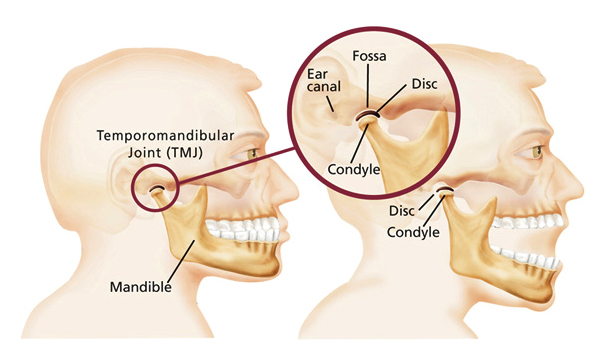

Temporomandibular joint (TMJ) disorders can occur due to wear and tear of your jaw joints. You can hear a clicking or popping sound accompanied by pain. You can seek TMJ Treatment Jasper for proper evaluation and treatment if you have the condition. The staff will help you restore your jaw’s functionality.
Causes
Although the cause of a TMJ disorder is unclear, you can exhibit symptoms if your joint is directly impacted by force or a condition or disease. Since it’s a joint covered with cartilage and discs that absorb shock, the TMJ disorder can occur if the discs wear out. The following are the most common causes of the disorder.
- Trauma
- Arthritis
- Improper bite
- Wear and tear
Symptoms
One of the symptoms you will experience with this condition is a clicking sound when you speak, bite down or chew. Other symptoms include:
- Jaw pain and tenderness
- Tooth pain
- Headaches
- Migraines
- Earaches
- Facial pain
- Difficulty chewing
Who is at risk of getting the condition?
You are at higher risk of getting TMJ if you engage in contact sports, if you have stress, arthritis or if you clench or grind your teeth together. If you are in any of the categories above, it’s a good idea to take a problem-specific resolution to manage the condition. You can do the following:
- Wear a night guard or splint guard if you clench your teeth
- Manage stress through relaxation techniques
- Wear a mouthguard if you play contact sports
- Practice good posture
Treatment options
Treatments include both surgical and non-surgical methods. Your doctor will suggest non-surgical methods before you can undergo surgery. Non-surgical therapies will include taking medications, eating soft foods, and having corrective dental treatments like braces or replacing missing teeth.
Custom-made dental orthotics
Specifically made for you, dental orthotics will fit your mouth perfectly. Your dentist will take your dental digital impressions and send the scans to a laboratory that will create the appliance. Once it’s ready, the custom appliance will fit over your teeth and avoid locking or misaligning your jaws.
Transcutaneous Electrical Nerve Stimulation (TENS)
Another treatment for TMJ is the manipulation of your facial muscles to encourage relaxation by using the TENS device. The device uses low-voltage electrical currents to manipulate the muscles. The relaxed muscles will not cause any pain so you will experience reduced pain.
Oral surgeries
If the non-surgical methods do not work for you, your dentist will recommend surgery. The type of surgery you receive will depend on the severity of the condition and your preference. There are three types of surgeries you can undergo:
- Arthrocentesis – local anesthesia
- Arthroscopy – general anesthesia
- Open-joint surgery –general anesthesia
Arthrocentesis is a minor procedure involving inserting sterile fluids using needles into the affected joint. The fluid washes away the joint. The process can also involve the removal of scar tissue or disc dislodgement.
Arthroscopy surgery involves making small incisions in front of your ear and inserting thin instruments with a camera. The dentist will perform the surgery guided by the camera. The dentist can remove any damaged tissues and align any discs that are out of place. Open-joint surgery is the traditional open surgery of arthroscopy.
You can visit Advanced Dental Care of East Texas for evaluation if you have a temporomandibular joint disorder. Call or book an appointment online today to receive customized treatment.
 Wellness Care Health Blog