
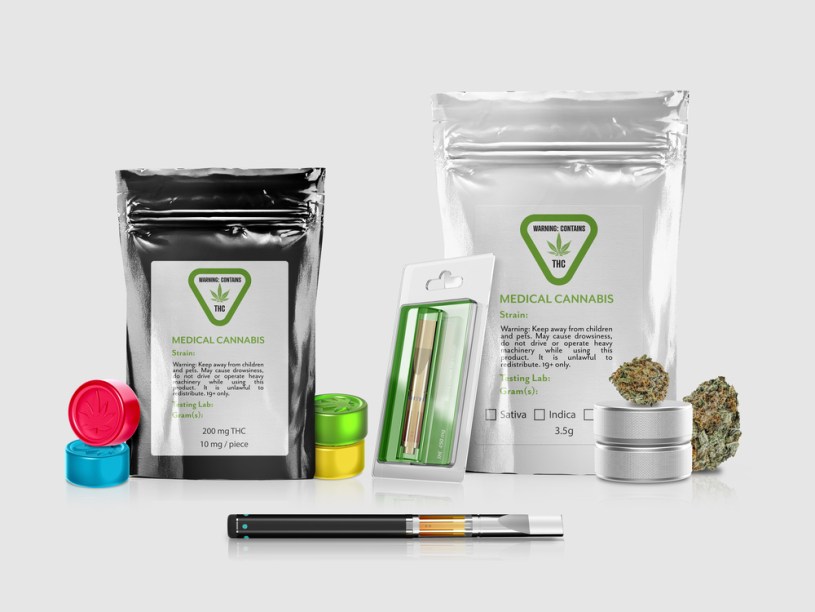
Marijuana has been a Schedule I controlled substance in the U.S. since the 1970s. More than three dozen states have decided to ignore that by approving medical marijuana for certain qualifying conditions. The resulting disagreements have been nothing short of contentious. But given that chronic pain is the most often cited complaint for which medical marijuana is recommended, it’s hard to argue against marijuana as a medical therapy.
It is especially hard to explain marijuana resistance in a day and age when opioids are destroying lives by the thousands. In the U.S. alone, we have been ravaged by opioid addiction for more than a decade. The opioid crisis shows no signs of abating right now. If more doctors would recommend medical marijuana instead of writing opioid prescriptions, would America be in a better place?
There is no way to know for sure without actually doing it. Conjecture and skepticism are both fine in a debate. But neither proponents nor critics can say one way or the other how things would go. So why don’t we at least try? We already know opioid addiction ruins lies. Overdosing kills people. To date, medical science doesn’t have a single report of someone dying as a direct result of marijuana overdose.
Opioid Medications for Pain
Although opioids are by no means new, they came into their own as a recreational drug once pharmaceutical companies were given the green light to push them as the best painkillers for both acute and chronic pain. For years, Big Pharma was pushing doctors to prescribe opioids as often as possible.
Opioids are still recommended to acute pain patients. But they are also prescribed for chronic pain. For example, patients are often prescribed opioids to help manage pain following hip or knee replacement surgery. Think about that for one minute. If a patient takes opioids a month post-surgery, the chances of becoming addicted are pretty high.
What if medical marijuana could offer similar pain relief? In Utah, the experts behind the Utahmarijuana.org website say that state lawmakers added acute pain to their qualifying conditions list in 2022. A Utah resident scheduled for hip replacement surgery could obtain a medical marijuana card in advance, then medicate post-surgery with marijuana rather than prescription opioids.
The addiction potential is already high enough when patients take opioids for acute pain. But imagine a chronic pain scenario. Imagine taking opioids every day to help relieve osteoarthritis (OA) pain. It is not uncommon. How many OA patients dutifully take their opioids without ever considering whether they are addicted?
There Is Nothing to Lose
It is not hard to make the case that medical marijuana is safer for patients than opioids, at least from an addiction standpoint. While it is true that regular marijuana users develop tolerance to the drug, any resulting addiction isn’t of the same nature or scale. So what do we have to lose by recommending medical marijuana instead of opioids? Very little, if anything at all.
Perhaps the only way to explain medical marijuana resistance in the opioid era is fear of the unknown. Marijuana has been illegal in this country for so long that people are afraid of it. They know nothing about it, so the thought of legalizing it just leads to wild speculation.
Whatever the cause, it is difficult to justify continued resistance to medical marijuana while the opioid crisis continues to rage around us. Even if marijuana were not approved for anything other than pain, at least using it as an alternative to opioid prescriptions would be an immense help to society.
 Wellness Care Health Blog