

Sleep apnea is a widespread issue that primarily affects guys over 40. The judgement is still out on whether or not APAP devices are required or even beneficial for most individuals with sleep apnea. Still, they assist patients with breathing problems to receive enough oxygen in their lungs. Here’s what you should know.
What Exactly Is an APAP Machine?
An APAP machine draws air in through a filter and then utilises a motor to pump air into a mask through a tube at various pressures. It is like a CPAP machine, intended to maintain the user’s airway while they sleep. It uses a different approach, though. Furthermore, it uses advanced sensors to detect breathing episodes and automatically raise air pressure.
The device decreases the air pressure to the minimum essential level once the sleeper’s breathing usually returns. Due to their design, these machines are often smaller and quieter than CPAP devices. They could also be a better treatment course for those sensitive to pressure.
What Kind of Device Is an APAP?
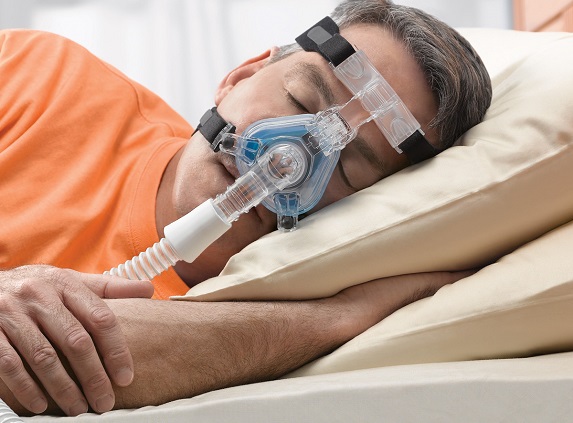
The majority of APAP equipment resembles CPAP devices quite closely. Patients will use a mask similar to a CPAP device with tubing connecting them. The sole distinction between CPAP and APAP devices is how the technology impacts the patient’s breathing pattern. While APAP devices vary the airflow in response to variations in the patient’s breathing, CPAP devices only offer a direct, continuous airflow.
How Does APAP Work?
There are two main categories of positive airway pressure devices and APAP. Continuous Positive Airway Pressure, or CPAP, is one. BiPAP, or bilevel positive airway pressure, is the alternative.
APAP automatically adjusts the air volume to meet your demands during the night using the software. For instance, resting on your back might make breathing interruptions more frequent because it relaxes your mouth and tongue, which restricts airflow. It increases the air pressure if that occurs. Depending on what’s best for you, your doctor will decide what the top and lower air pressure restrictions should be.
Advantages of APAP Machines
For restorative sleep, APAP devices are made to operate with a person’s natural breathing patterns. By employing the lowest adequate pressure, they lessen the claustrophobic feeling that some CPAP users have, especially with high-pressure settings. The versatility of these machines also makes it easier to adjust to variations in the user’s body weight, health, and sleeping posture.
Due to uninterrupted sleep, those who use an APAP machine may feel less tired during the day. Regular usage of the machine might reduce anxiety and enhance concentration and memory. Since these devices change the pressure as needed, they may benefit those with allergies, intermittent apnea, or sporadic colds. Numerous APAP devices also capture vital information that a doctor might utilise to track your condition.
Why Should You Use APAP?
According to studies, all forms of positive airway pressure may be equally effective in promoting healthy sleep. Standard CPAPs are the most popular and have a lengthy history of usage. Additionally, compared to other equipment, they are cheaper and more manageable. According to specific insurance policies, you could start on CPAP and then move to APAP or BiPAP if you don’t feel any better.
If you want your airflow to change as you sleep to meet your needs, an APAP could be a better option. Among the reasons are:
- toss and turn in bed
- snooze deeply
- drink alcohol around bedtime
- frequently lose or gain weight
- want to stay away from the doctor for any change in air pressure
People who use APAP report a minor improvement in quality of life and decreased daily tiredness compared to CPAP users.
How to Make Use of It
Wear the mask that comes with the machine over your mouth. It is attached to a little machine that softly forces air into your mouth. After your doctor diagnoses you with sleep apnea, you might be able to use your APAP right away without first going to a sleep clinic if your condition is straightforward. After your instruction, confirm that you are confident in your ability to use your machine.
Your list may include the following:
- Before you begin, make sure the mask is well-fitted.
- Tell your doctor if the mask doesn’t stay on or leaks air.
- Spend some time getting used to the equipment and the fluctuating air pressure.
- To determine how much APAP relieves your symptoms, ask your doctor if it’s a good idea to keep track of them.
Conclusion
If you think you could be suffering from obstructive sleep apnea, you might wish to discuss APAP therapy with your doctor. Men are four times more likely than women to develop obstructive sleep apnea, which affects 2% to 9% of individuals and is one of the primary causes of daytime drowsiness. Snoring, nighttime awakenings with a feeling of choking, morning headaches, and daily exhaustion are typical signs. Many OSA sufferers also wake up often during the night and have trouble falling asleep. Talk to your doctor about your symptoms. They may advise you to undergo diagnostic testing, such as a sleep study, to analyse your health and establish whether an APAP machine is appropriate for you.
 Wellness Care Health Blog