
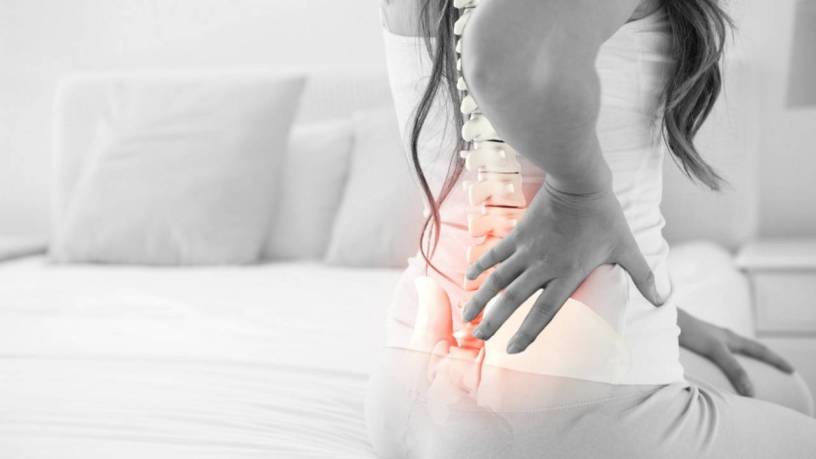

Ever had that frustratingly painful aching in your tailbone?
Chances are, you’re suffering from a form of tailbone pain that stems from the small collection of bones around your coccyx.
As you may have noticed, this area of your body can be especially prone to pain. And due to its location at the centre of the body, plus being on the receiving end of pressure from the hips, this pain can quickly become a hindrance to daily activities.
Here, we’ll take a look at the potential causes of tailbone or coccyx pain and some tips on how to avoid these injuries.
Sporting injuries
Sporting injuries are perhaps one of the most common ways you can end up with a coccyx injury, or pain in your tailbone more generally. Sports like cycling, rowing, horseback riding or even skiing can result in repetitive stress to your tailbone causing inflammation to the tissue surrounding these bones.
Ensuring you’re properly prepared for such activities is a great way to prevent such injuries from happening in the first place.
Pregnancy/childbirth
The female body is an amazing thing. During the third trimester, hormones are released to soften the bones between the sacrum and the coccyx allowing for a smoother passage of the baby during childbirth. This process is entirely natural but can result in the ligaments being overstretched and the tailbone becoming misaligned.
Falling on your tailbone; bruising, fracture or dislocation
Slipping and falling on our backsides is something that we humans do once in a while.
Whether it’s falling off a bike, a chair, or slipping on the bathroom floor, falling on your tailbone is one of the most common causes of a bruised, fractured or even broken tailbone. If you fall on your tailbone and notice pain or numbness, it’s important to seek immediate medical attention.
Repetitive strain injury
Repetitive strain injury or RSI is when your body undergoes a repetitive activity that causes strain on your muscles and tissue at the base of your spine. This continuous stretching can cause inflammation, aches and pains in the process. RSI is a common cause of injury when it comes to tailbone pain and can often lead to a worsening of existing symptoms. Taking breaks between activities, and practising proper technique during sports, is key to avoiding RSI.
Poor posture
Poor posture is a silent enemy of tailbone pain and can adversely affect your coccyx, and lower back health more generally. When you sit with a hunched back more pressure is exerted on your lower spine which can cause your tailbone to shift out of alignment. Keeping a straight and well-aligned back can help reduce pressure on your tailbone and stave off some of the worst symptoms.
Sitting for too long
Office workers beware. Sitting for prolonged periods, especially on hard or un-padded surfaces is known to be a cause of tailbone pain and can exacerbate existing symptoms. Make sure to take well-earned breaks during the day and make sure your office seating situation is as comfortable and ergonomic as possible.
Being overweight or underweight
Overweight and underweight individuals should be aware of the consequences that can come to bear on your tailbone – in both cases, the news is not good. Obesity can cause extra strain on your tailbone – putting extra pressure on your coccyx and causing misalignment. Underweight people can suffer from a lack of fat in the lower back and buttocks causing the tailbone to rub against the ligaments, resulting in inflammation and pain.
Ageing
Ageing can also result in increased stress on the tailbone. As our bodies age, the cartilage that cushions our bones and ligaments slowly breaks down. This process makes our coccyx more vulnerable to sliding out of place. Ageing can also result in the bones that make up the coccyx fuse together over time increasing aches and pains.
Infection e.g. pilonidal abscess
Infections in the lower spine are rare, but not unheard of. They are known to cause coccydynia, a painful build-up of puss at the base of the spine which can result in a pilonidal abscess.
Bone spurs
Bone spurs are tiny growths at the bottom of the spine. Usually, they pose no risk to your body’s normal functioning. However, this growth can in some cases cause swelling or increased rubbing against ligaments which lead to inflammation and pain.
Summary
Tailbone pain can be caused by any number of issues – ranging from careless accidents to repetitive activities, sports, or degeneration over time.
No matter what the cause, it’s good to know when and where to get help. Leaving tailbone pain to get worse over time will only make matters worse.
Physiotherapists can offer targeted treatment and recovery plans based on your individual needs. If you notice symptoms worsening, make sure to check out a physio near me and get the advice you need from the professionals.
 Wellness Care Health Blog