
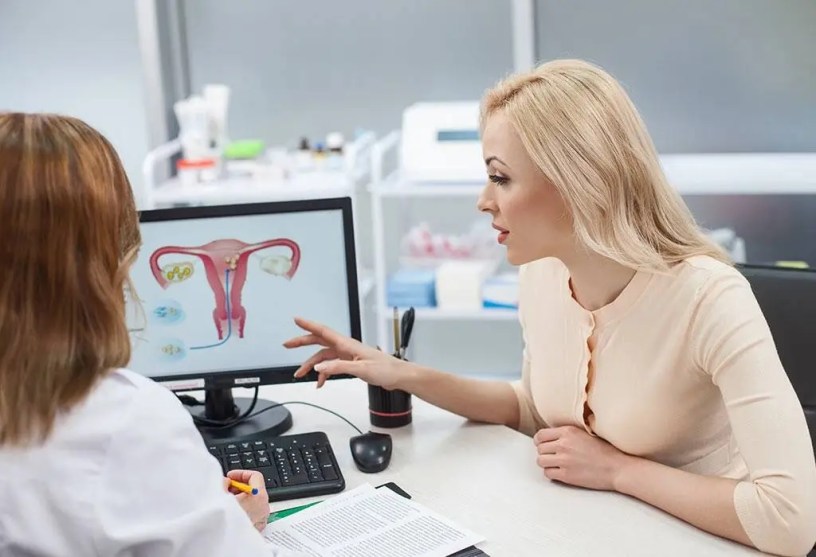

Have you been diagnosed with cervical dysplasia? This abnormal cell growth on the cervix is caused by concerns like human papillomavirus (HPV) or environmental factors. The abnormal growth can lead to cervical cancer, and as your doctor works to help you avoid such concerns, they can recommend LEEP Atlanta.
LEEP purpose
LEEP entails using thin electricity heated loop wire to remove cervical tissue. The procedure is undertaken to further diagnose or treat pre-cancerous cells in the cervix. If, for instance, a Pap smear or colposcopy screening results in abnormal findings, your doctor can recommend LEEP for conclusive results or treatment. LEEP can also diagnose and treat conditions including genital warts, cervical polyps, and diethylstilbestrol (DES).
LEEP risks
LEEP is a safe and effective procedure. Nonetheless, since the wire acts as a surgical knife, meaning there is an incision, you are exposed to a few risks and complications. Among the common LEEP risks includes:
Bleeding during and after the procedure is common. However, the tool helps in sealing the area and surrounding vessels:
- Minimizing the bleeding
- Infection
- Sexual dysfunction
- Trouble conceiving, especially within a year following the procedure
- Scarring on the cervix, which mainly depends on the tissue size removed
The risks can be minimized by following your doctor’s recommendations after the procedure. During the recovery, your doctor may advise you to:
- Don’t engage in vaginal sex for a few weeks
- Avoid placing anything, including tampons, in your vagina
- Avoid baths for two to four weeks
- Don’t undertake strenuous activities for at least 48 hours. Activities like heavy lifting should be avoided for a longer period, ideally for at least a week or two.
- Wear a sanitary pad if you have vaginal spotting, which is common for 1-3 weeks after the procedure.
- Take pain medication to manage ramping and discomfort
Following LEEP, you may develop complications. Be on the lookout for symptoms such as serious abdominal pain, fever/chills, heavy bleeding, bleeding with clots, and foul-smelling discharge. Call your doctor for immediate attention. You can expect follow-up appointments, usually two weeks after the procedure, to discuss the results.
LEEP preparation
The procedure is usually scheduled when you are not menstruating to facilitate better vision in the cervix. LEEP doesn’t include demanding preparations. For instance, you will not be required to avoid eating or drinking unless, in special circumstances, that might require anesthesia.
Your doctor will consider your medical history and advise you on preparation measures. For example, if you are on active prescriptions such as blood thinners or aspirin, your doctor may require you to decrease the dose or stop taking them in preparation for LEEP.
Wear loose-fitting clothes that you can easily remove since you will be undressed from the waist down during the procedure. Also, pack sanitary pads to wear after the procedure since you can expect dark-brown or pinkish discharge.
LEEP might seem scary, but it is a safe and straightforward procedure. Ask your doctor as many questions as you need to beat any anxious feelings you might have. This will help you focus more on the procedure’s many health benefits. Contact or visit Ideal Gynecology, LLC to learn more about LEEP.
 Wellness Care Health Blog