
Tooth loss is a common phenomenon among both young and old adults.
When you lose a tooth, you must get a proper replacement so that you can prevent bone loss and prevent the rest of your teeth from migrating. The best thing is that with the introduction of cosmetic dentistry, teeth replacement will not only help you steer away from health issues but can also improve your appearance.
Some of the most common options for teeth replacement are dental implants and dental bridges. If you live in Huntington, a reliable dentist can help you with both.
Dental bridges
Dental bridges are made of artificial (false teeth). If you have one or more missing teeth, a dental bridge can be used to fill up the empty space.
The bridge gets placed between two cemented crowns on each side of your missing tooth. If you need to replace your teeth and are afraid of having an implant placed, bridges are a good option.
Dental implants
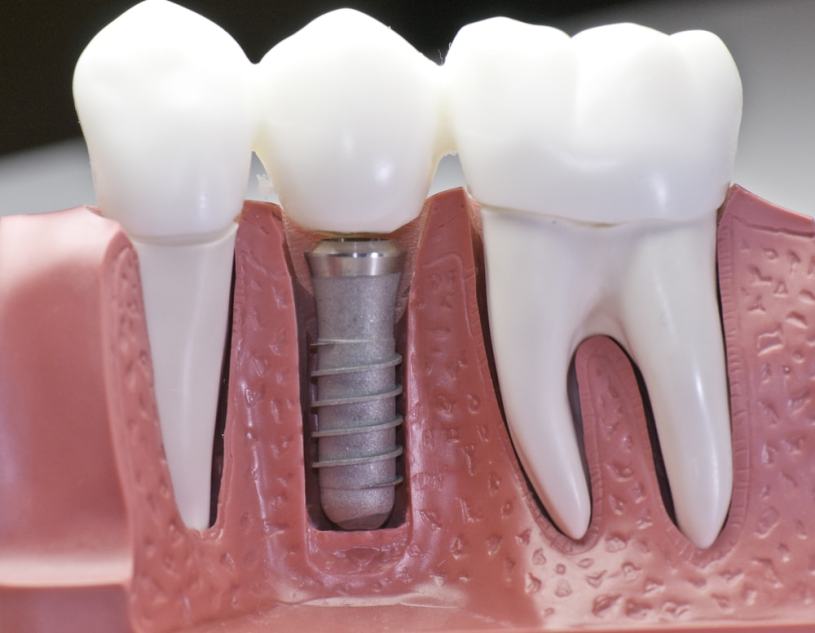
For dental implants, you need to undergo oral surgery and have a titanium post secured into your jaw. Worried that your implant won’t match your teeth? You shouldn’t! One of the best things about modern dental implants is that they feel, and look like your natural teeth!
Let’s compare the perks and cons of dental implants vs. bridges and how to determine the best option for your needs.
Dental Bridges: Pros
- They prevent your teeth from moving – Dental bridges will help keep your natural teeth in place. When the gaps along your gum line get filled with a restorative element, your natural teeth will no longer drift away.
- Speaking and chewing – When you lose a tooth, chewing certain foods can get uncomfortable. However, dental bridges will help you to speak and chew properly. Also, dental bridges maintain your face’s natural shape.
Dental Bridges: Cons
- Bone loss and gum disease – Patients with dental bridges have a higher risk of getting gum disease because it can get challenging for them to clean teeth properly. However, with flossing, regular brushing, and bi-annual check-ups, the odds of infections will decrease.
- Dislodging – Dental bridges may be prone to breaking and dislodging, although this is very uncommon.
- Periodic replacement – Dental bridges need replacement after a few years.
Dental Implants: Pros
- Strong and stable, functioning like a natural tooth.
- The best long-term solution for replacing missing teeth
- Permanent
- They are designed to last a lifetime.
- Not straining teeth
Dental Implants: Cons
- Oral surgery – The implant is directly attached to your jawbone. And that calls for surgery. Surgeries come with risks and a recovery period that may take a while. Some of the risks associated with dental implants following surgery include infections, nerve damage, and jaw fractures.
- Time – Unfortunately, having a dental implant cannot be achieved in a single visit to the dentist. The process takes a bit of time, total recovery withstanding.
Final thoughts
If you are asking yourself what’s the best choice between dental implants and dental bridges, the truth is that there’s no one-size-fits-all affair.
During the first visit, your dentist will thoroughly examine your teeth and provide the best course of action. Both dental implants and bridges have their pros and cons and choosing one over the other depends entirely on your particular situation and your doctor’s recommendation.
 Wellness Care Health Blog