
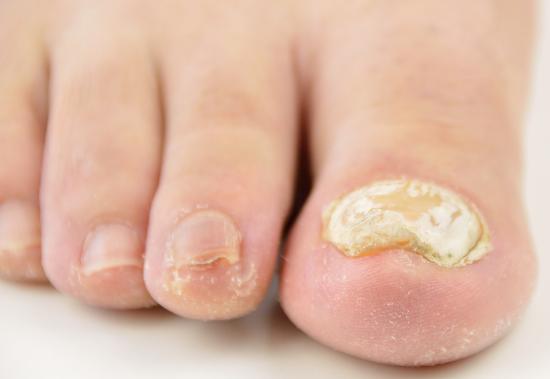
Toenails are usually tough as they are made of Keratin, but exposure to fungus or getting injured can make these nails break, thicken, become painful with discoloration or swelling underneath the surface of the toenail.
While multiple conditions can affect the toenails, there are few common ones that podiatrists see daily.
Dr. Sima Soltani Podiatry Office is a very reliable place in Irvine, Orange County, CA where you can find solutions to all your foot-related problems. If you are a diabetic, the podiatrists at the clinic can provide regular foot care to identify and treat toenail infection and other foot problems before they start to progress into many serious conditions requiring prolonged treatment and even amputation in some cases. Their laser toenail fungus removal treatments are a boon to patients suffering from recurring fungal infections of the toenail.
3 most common toenail problems
- Onychomycosis:
This is the most common recurring toenail condition for which patients seek the help of a podiatrist. It is a fungal infection that grows slowly to cause the following symptoms:
- Nail thickening
- Crumbling of the nail edges.
- Toenail discolorations make them appear yellow or brown.
- White debris can be noticed underneath the infected nails.
- Separation of nails from the nail bed.
Diabetes and old age can make one more prone to developing fungal infections of the toenails especially the recurrent ones as the blood circulation to the feet is affected in both cases.
Debridement and trimming of the nails is the most common form of fungal treatment of the toenail along with the use of topical ointments. If the infection has spread to a significant area under the toenail, laser nail fungus treatment provides greater success at eliminating the infection.
- Ingrown toenails:
The nail of the big toe is more prone to growing into the lateral nail fold causing painful swelling in this skin fold. The irritated skin can also become infected making the area appear red, swollen, and can have infectious discharge.
You can follow at-home treatment methods using Epsom salt to treat the swelling and pain associated with an ingrown toenail. If you suffer from diabetes or other circulatory diseases, you must visit a podiatrist for treatment because of the higher risk of infection.
Infections associated with ingrown toenails require antibiotic treatment and in some cases, removal of toenails is the only way to treat the condition. Sometimes toenail laser removal is also performed by the podiatrist.
Wearing tight-fitting shoes, clipping the nails extremely short, and injury of the toenail are the most common causes of ingrown toenails.
- Injured toenails:
Wearing improperly fitted shoes increases friction on the surface of toenails making them more prone to getting injured while performing regular activities like walking. The toenail might become discolored or separated from the nail bed following an injury.
Based on the extent of the trauma, your podiatrist will suggest a treatment plan for you. Any fracture or matrix damage needs prolonged treatment to ensure that a healthier toenail grows back in place of the damaged one. Toenail laser treatment is successfully used in many cases of toenail injuries.
Diabetics and those suffering from various forms of nerve damage must visit their podiatrists regularly to get their foot health evaluated.
 Wellness Care Health Blog