
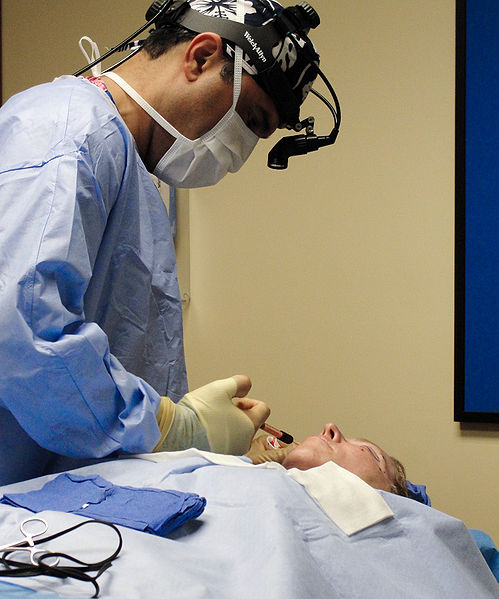
As we begin to age, the skin starts to sag. This saggy skin can make one look older than one is. Facelift Toronto is a cosmetic procedure that can take years off your face and make you look younger. It is an increasingly popular procedure to fight the signs of aging. Whenever you plan to undergo any cosmetic procedure, it is always best to do your research about the procedure and the recovery. We are here to help you understand what the recovery period looks like following a facelift procedure.
Instructions before the surgery
Before you undergo any cosmetic surgery, the surgeon will provide you with certain essential information which will help you to prepare for what is to come. This includes pre and post-operation instructions, which are beneficial for your post-operation symptom management. The list would include which medications that you should avoid before and after the surgery. It would include instructions on how to care for your wound and its healing and nutritional information that will promote healing. You would be given safety information regarding when you can resume your physical exercise and what type of movements you should avoid. They would also provide you with information on how to improve the swelling and bruising. Following all the instructions correctly will help bring down the chances of complications during the surgery and make recovery easier.
First Week of Recovery
Immediately after you have been discharged, you would require someone to take care of you for the first 24 hours. You might feel discomfort, drowsiness, and tiredness for the first few days after the surgery, which is entirely normal. After the surgery, you would be prescribed some painkillers. Some people experience nausea from it. This can be easily managed with an anti-nausea medication that the surgeon will prescribe. You are advised to get up and walk around to promote blood circulation. Apart from the painkillers, you would also be prescribed antibiotics which will help to prevent infection post-surgery. If you are experiencing slow healing on the side of the face, then don’t worry. This is normal.
Second and third week of Recovery
The swelling and bruising might continue well into the second week of recovery. Some patients also experience unusual sensations like tingling, burning, and numbness as the body begins to recover. By the third week, most of the bruising and swelling begin to settle, and it only remains in isolated areas, which is normal. The tight appearance and feel of the skin around the incision are very normal. At this point, you can start wearing makeup to cover the remaining bruises and incisions.
First Month of Recovery
As the first month of recovery progresses, you might experience puckering of skin around the suture lines, which will flatten out in the coming months. You can resume all your daily activities, but it is advised not to do overly strenuous activities. You can do light exercises. Don’t expose the new suture lines to the sun, as it can cause premature aging.
 Wellness Care Health Blog